
Unleashing Creativity: The Educational Benefits of Open-World Games
This article explores the educational and psychological benefits of these virtual environments, highlighting how they foster problem-solving skills and critical thinking in a fun, interactive setting. Finally, parents will find practical advice on selecting age-appropriate titles and managing safety to ensure a healthy gaming balance for the whole family.
1/19/20267 min read
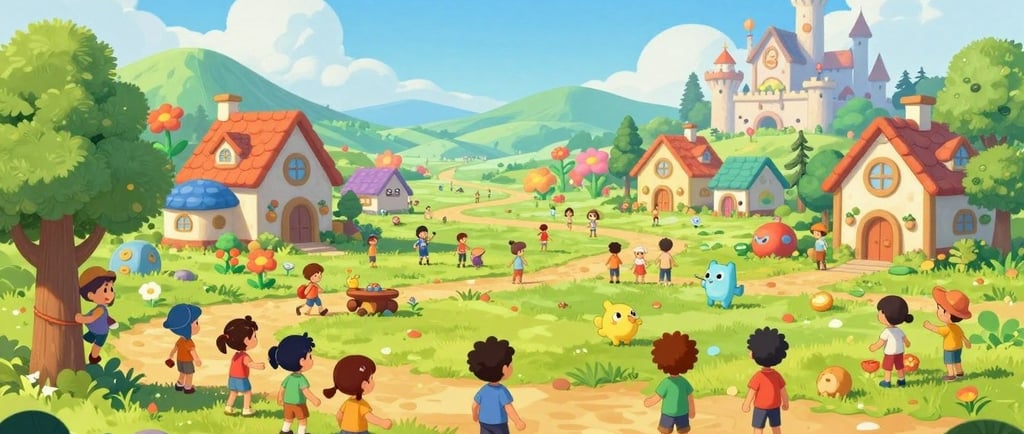
The Allure of Vast Virtual Worlds for Young Explorers
In recent years, open-world games have surged in popularity, capturing the imagination of millions around the globe. Titles such as 'The Legend of Zelda: Breath of the Wild' and 'Genshin Impact' exemplify this trend, offering players vast, immersive environments that encourage exploration and creativity. The appeal of open-world gaming lies in the freedom it provides; players are not confined to linear paths or predetermined outcomes but can navigate expansive landscapes at their own pace. This unique aspect allows for a more personalized gaming experience, which has resonated particularly with younger audiences.
The concept of open-world gaming revolves around the idea that players can engage with a game world in a non-linear fashion, discovering quests, collecting resources, and interacting with a variety of characters in a more organic manner. Unlike traditional video games, where players often follow a strict storyline, open-world games invite players to carve out their own adventures. This design not only enhances the overall enjoyment but also promotes critical thinking and problem-solving skills as players chart their own courses through the game world.
The rise of open-world games can be attributed to several factors, including advancements in technology, which have allowed developers to create rich, detailed environments that are both visually stunning and engaging. Additionally, the social aspect of these games cannot be overlooked; many open-world titles include multiplayer components or shared experiences, fostering communication and collaboration among players. As a result, open-world games have become a significant aspect of contemporary gaming culture, captivating young players and offering profound experiences that extend beyond mere entertainment.
Limitless Freedom and Creative Expression
Open-world games are distinguished by their expansive environments that grant players extensive freedom to explore and interact with their surroundings. This unique characteristic fosters a sense of autonomy, allowing individuals to navigate the game world at their own pace and according to their own interests. Unlike traditional linear games, where players are often confined to set paths and objectives, open-world games invite players to shape their own experiences. They can choose to pursue quests, engage in combat, or simply wander through beautifully constructed landscapes, all contributing to a rich tapestry of gameplay that promotes personal expression.
The vastness of the game world is inherently linked to creative expression. In open-world settings, players can be architects of their own narratives, creating stories that resonate with their personal experiences and preferences. The ability to customize characters, build structures, and create unique gameplay scenarios highlights the role of creativity in game design. Players are not merely participants, but also co-creators in an ongoing dialogue between the game and their imagination. This melding of gameplay and creativity not only enhances enjoyment but also fosters a deeper emotional connection to the game.
Moreover, open-world games often encourage experimentation. Players can devise new strategies, explore innovative solutions to challenges, and push the boundaries of what is possible within the game. This trial-and-error approach promotes problem-solving skills and reinforces the concept that creativity thrives in an environment where there is no fear of failure. The freedom provided by these games allows individuals to think outside the box, fostering an ethos of innovation and adaptability that is valuable not only within gaming contexts but in broader educational frameworks as well.
Open-world games are renowned for their expansive environments and immersive narratives, providing players with numerous challenges that necessitate effective problem-solving abilities. By engaging with these complex virtual worlds, players are tasked with overcoming various obstacles and quests that demand critical thinking and strategic planning. For instance, in The Legend of Zelda, players navigate expansive landscapes filled with puzzles that require keen observation and analytical skills. Each challenge poses unique problems, from deciphering clues to manipulating the environment, encouraging players to think creatively and develop solutions.<
Similarly, Genshin Impact offers players diverse quests that require a strategic approach to tackle the intricate designs of its open-world setting. Players often combine different character abilities to solve problems, enhancing their capacity to analyze situations and implement effective strategies. These games cultivate an environment where trial and error is accepted, allowing players to experiment with solutions, which further develops their problem-solving acumen.
Moreover, the non-linear gameplay intrinsic to open-world formats encourages players to approach problems from multiple perspectives. This freedom in gameplay design allows for a variety of solutions, illustrating that there may be more than one way to resolve an issue. Such experiences teach players the value of adaptability and flexibility when confronted with challenges.
These educational benefits extend beyond the virtual realm, as the problem-solving skills honed in open-world games can be mirrored in real-world scenarios. Players learn to assess situations critically, consider available options, and execute plans, paving the way for enhanced cognitive abilities. In conclusion, it is evident that open-world games serve as powerful tools for fostering essential problem-solving skills, crucial for success in both gaming and everyday life.
Cultivating Critical Thinking and Decision-Making
Open-world games have emerged as powerful tools for enhancing critical thinking and decision-making skills among players. One of the defining characteristics of these games is the freedom they provide players to explore vast environments, initiate quests, and interact with a dynamic world. This open structure often leads to player-driven narratives, where the decisions made significantly impact the gameplay experience. As players navigate complex scenarios, they are frequently faced with choices that require analysis, foresight, and strategic planning.
At the heart of these games is the ability to influence outcomes through various decisions. Players must assess their possible options, weighing the pros and cons of each choice. For instance, a player may have to decide between helping a character in distress or continuing with their own objectives. Such moments challenge players to consider not only immediate benefits but also long-term consequences. This engagement fosters a habit of reflective thinking, as players become accustomed to evaluating situations critically before taking action.
Moreover, character development within open-world games can serve as an extension of this learning process. Characters often grow in complexity based on the decisions made by the player, leading to an evolving narrative that embodies the implications of choice. This aspect encourages players to think beyond surface-level decisions and delve into the character's motivations, relationships, and potential outcomes. In doing so, players refine their ability to anticipate consequences, recognize patterns, and make informed judgments.
In essence, the immersive nature of open-world games not only entertains but also actively engages players in developing crucial life skills. The blend of critical thinking, decision-making, and an interactive narrative offers a unique educational experience, making these games invaluable tools for personal growth and intellectual development.
Social Interaction and Collaboration in Gaming Communities
Open-world games provide a unique opportunity for players to engage socially within vast digital environments. These immersive settings not only enhance the gameplay experience but also facilitate the formation of expansive communities. Players often collaborate and communicate while exploring these worlds, thereby developing crucial social skills. Through cooperative missions, quests, and events, individuals learn the importance of teamwork as they work towards shared objectives.
The collaborative nature of multiplayer open-world games highlights the significance of communication. Players must effectively convey strategies, share resources, and offer support to overcome challenges. This interaction fosters a sense of camaraderie and belonging, creating friendships that often extend beyond the in-game experience. Online platforms, forums, and social media groups associated with these games further strengthen these connections, allowing players to share experiences, tips, and achievements.
Moreover, the diverse player base of open-world games encourages the exchange of different ideas and perspectives. This cultural exchange is invaluable in an increasingly interconnected world. Participants can learn from each other's backgrounds, enhancing their understanding and appreciation of various cultures, which enriches the overall gaming experience. Positive interactions in these communities not only enhance player satisfaction but also contribute to personal growth. Players often report increased confidence and improved communication skills as they navigate team dynamics and engage with others in multiplayer scenarios.
In conclusion, the social aspects of open-world games play a crucial role in fostering interaction and collaboration among players. The development of friendships, improved teamwork, and enhanced communication abilities all highlight the educational benefits inherent within these gaming communities. The experiences gained in these environments prepare individuals to engage with others effectively in real-world settings.
Parental Guidance: Choosing Safe and Appropriate Games
As open-world games continue to gain popularity among children and adolescents, parents face the challenge of selecting games that are both safe and instructional. Making informed decisions in this regard requires careful consideration of several key factors. The first step is to review age ratings provided by organizations such as the Entertainment Software Rating Board (ESRB) or Pan European Game Information (PEGI). These ratings offer crucial information on the appropriate age for the content, as well as insights into themes, violence, and potential fears presented within the game.
Additionally, parents should conduct a thorough content analysis of the game. This involves looking beyond the surface-level excitement and exploring the underlying messages and learning opportunities that open-world games may offer. Games often provide environments rich in storytelling, problem-solving, and creative expression, which can enhance cognitive development. However, it is equally essential to be aware of the game’s social elements, including online interactions and community settings, which may expose children to potential risks.
Educational value is a significant aspect to consider when choosing an open-world game. Many titles incorporate elements that encourage strategic thinking, collaboration, and even code literacy. Parents might look for games that align with educational goals or offer features that promote creativity and exploration. Utilizing various online resources such as Common Sense Media can help parents evaluate the educational merits of specific games and see reviews from other parents and children.
In conclusion, finding age-appropriate, secure open-world games for children involves careful consideration of game ratings, content, and educational value. By being proactive in these areas, parents can successfully navigate the vast gaming landscape and select enriching experiences for their children.
Balancing Gaming and Real-Life Responsibilities
As digital play continues to be a significant part of modern childhood, ensuring a healthy balance between gaming and real-life responsibilities has become increasingly essential. Open-world games, with their immersive environments and expansive gameplay, can easily capture children's attention for extended periods. Therefore, it is crucial for parents to implement effective strategies that promote a balanced lifestyle.
One of the primary approaches is establishing clear rules and guidelines regarding gaming time. Setting specific hours for playing open-world games helps children understand the importance of time management. For instance, parents may opt to designate certain days of the week as gaming days while encouraging children to engage in other activities on non-gaming days. This structure not only fosters responsible gaming practices but also encourages children to develop diverse interests.
Another fundamental aspect is promoting alternative activities that can complement gaming. Enrolling children in sports, arts, or other hobbies can provide engaging avenues for expression and social interaction, thereby reducing excessive gaming time. It is also beneficial to participate in these activities together as a family, enhancing bonds and creating shared experiences outside the gaming realm.
In addition to managing time effectively, discussions about online safety and responsible gaming are crucial. Parents should take the initiative to educate their children on identifying safe gaming environments, recognizing inappropriate content, and understanding the importance of protecting personal information online. This dialogue not only instills mindful gaming habits but also fosters a sense of accountability among children.
Overall, balancing gaming and real-life responsibilities requires a collaborative effort between parents and children. By implementing structured gaming hours, encouraging diverse activities, and fostering discussions on online safety, families can ensure a well-rounded lifestyle that promotes both creativity and responsibility.