
Live Service Saturation: When "Games-as-a-Service" Stops Being a Game.
The live-service model has saturated the gaming market, overwhelming players with relentless demands on their time and attention, leading to widespread fatigue. While successful examples demonstrate the potential for enduring engagement, the industry's future hinges on prioritizing sustainable design and player respect over mere saturation. Ultimately, balance must be found by valuing quality and consumer well-being over quantity and short-term monetization.
12/24/20254 min read
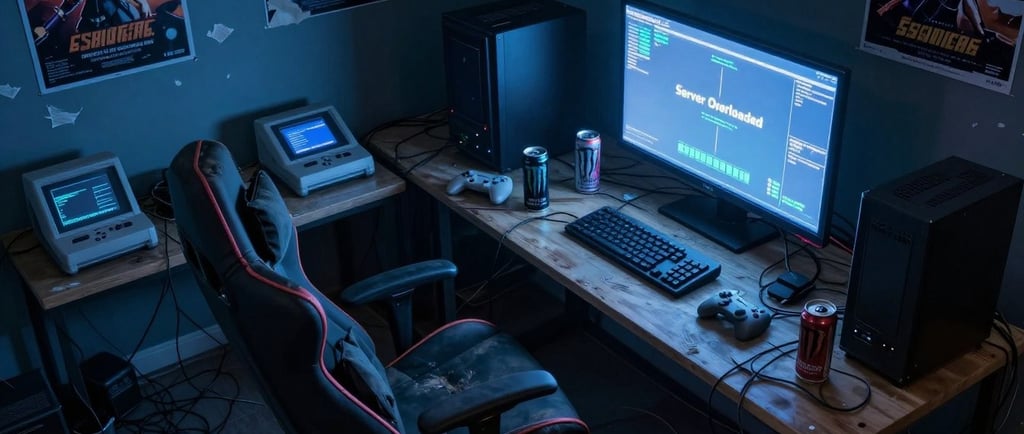
The video game industry has seen a big change. Live-service games now grow after they launch. They keep giving players new things to do.
But, too many live-service models are now a problem. Players feel too much choice. This leads to a point where they get tired of it all.
This issue isn't just about how many live-service games there are. It's also about how good they are. As more games come out, the question is: when does it all get too much?
The Evolution of Live Service Games
The journey of live service games has been amazing. It's seen games that changed how we play. World of Warcraft, launched in 2004, was a big start. It showed us a world that never ends, where you can play online.
Since then, many games have joined in. Fortnite, for example, came out in 2017. It became huge with its battle pass and events. These games drew in lots of players and opened up new ways to make money and connect with others.

But, these games also face big challenges. They struggle to keep players interested, manage money in the game, and make sure everyone plays fairly. Still, the live service model is a big deal in gaming today.
Innovative titles driving industry growth.
New opportunities for monetization and community engagement.
Challenges in maintaining player interest and fair gameplay.
As gaming keeps changing, it's key to understand the evolution of live service. Looking at what works and what doesn't helps us all. It's about learning from the ups and downs of this fast-paced world.
Games as a Service Fatigue: Why Players Are Burning Out
The gaming world has changed a lot with live-service games. But, players are getting tired because there are too many games. The live-service model has made the market too crowded, with games fighting for attention.
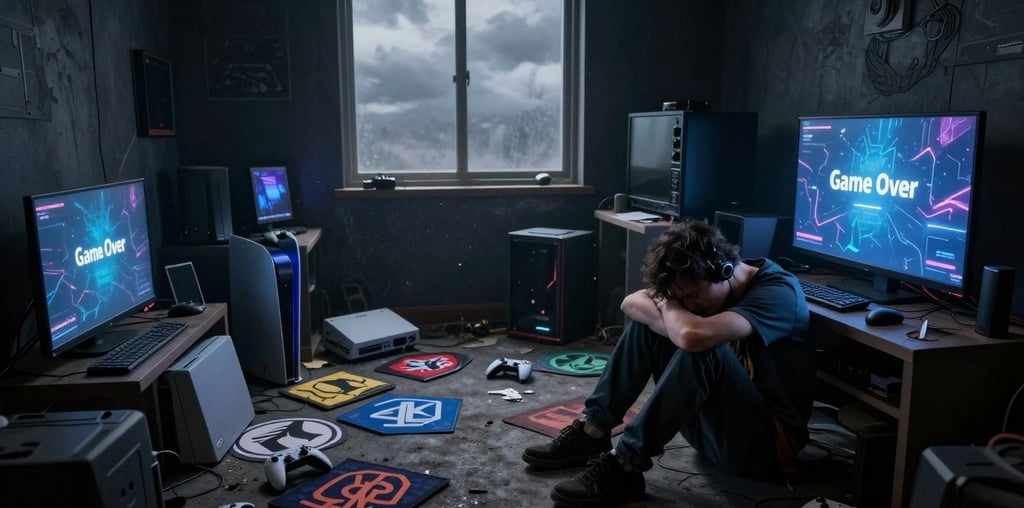
Players are struggling to keep up with all the new stuff in games. This has led to "games-as-a-service fatigue." Players feel overwhelmed and tired.
Limited Player Attention and Time
Players have only so much time and attention for games. With many live-service games to choose from, it's hard to pick just one. This makes players picky about where they spend their time.
Live-service games need a lot of time to keep up with updates and events. Single-player games, on the other hand, let players play at their own pace. They don't have to worry about constant updates.
The debate between live service vs single player games is ongoing. Both types have their fans. But, the live-service game market is getting too crowded. This raises questions about their future.
Many wonder: are live service games dying? It's too soon to say. But, the industry must find a way to balance live-service games with player time and attention.
The future of live-service games depends on meeting player needs. By understanding why players get tired and the differences between game types, the industry can make games better for everyone.
Live Service vs. Single Player Games: The Value Proposition
Live-service games and single-player games are two different ways to design games. Each has its own good points and not-so-good points. Live-service games have worlds that change over time, giving players new things to do and see.
This keeps the game exciting and fresh. Players must get used to new updates and changes.
Single-player games, on the other hand, focus more on stories and worlds. They let players dive into a story without worrying about online play. Single-player games offer a complete, polished experience from start to finish.

But live-service games have their own perks, like building a community and keeping players interested for a long time. The future of games as a service depends on keeping players happy and fairly charged. It's important to avoid live service game problems like too many microtransactions and too much work.
In the end, whether to play live-service or single-player games is up to each player. Live-service games offer a changing, interactive world. Single-player games give a more traditional, story-based experience. Knowing what each offers helps players choose what they like best.
Are Live Service Games Dying? Examining Industry Trends
Live-service games are facing questions about their future. Games like Babylon's Fall and Marvel's Avengers have failed or closed. This makes people wonder if the live-service model can keep going.
Players' tastes are changing. Some like the updates and changes in live-service games. But others get tired of the same tasks and the ways games make money. The argument between live service vs single player games is ongoing.
Too many games like each other
Not enough new ideas in gameplay
Too much focus on making money
Not listening to the community well
Yet, some live-service games are still doing well. They listen to players, add fun content, and fix their services. The success of these games shows that finding a balance is key.
In short, live-service games are not dead. They are changing. The industry needs to keep improving and listen to players to keep live-service games alive.
Conclusion: Finding Balance in a Saturated Market
The live-service game model has changed the gaming world. But it has also made the market too crowded and players tired. To keep games exciting, developers need to have realistic goals and focus on growth that lasts.
Games as a service fatigue is a big problem. Players get tired of the same old things and don't like being pushed to spend money. To fix this, games should put players first, making experiences that keep them coming back.
Developers can make games better by balancing making money and keeping players happy. This means fair prices, regular updates, and listening to what players want. This way, everyone wins.
The future of games depends on listening to what players want. By focusing on what players enjoy, games can grow in a healthy way. This makes the gaming world better for everyone.